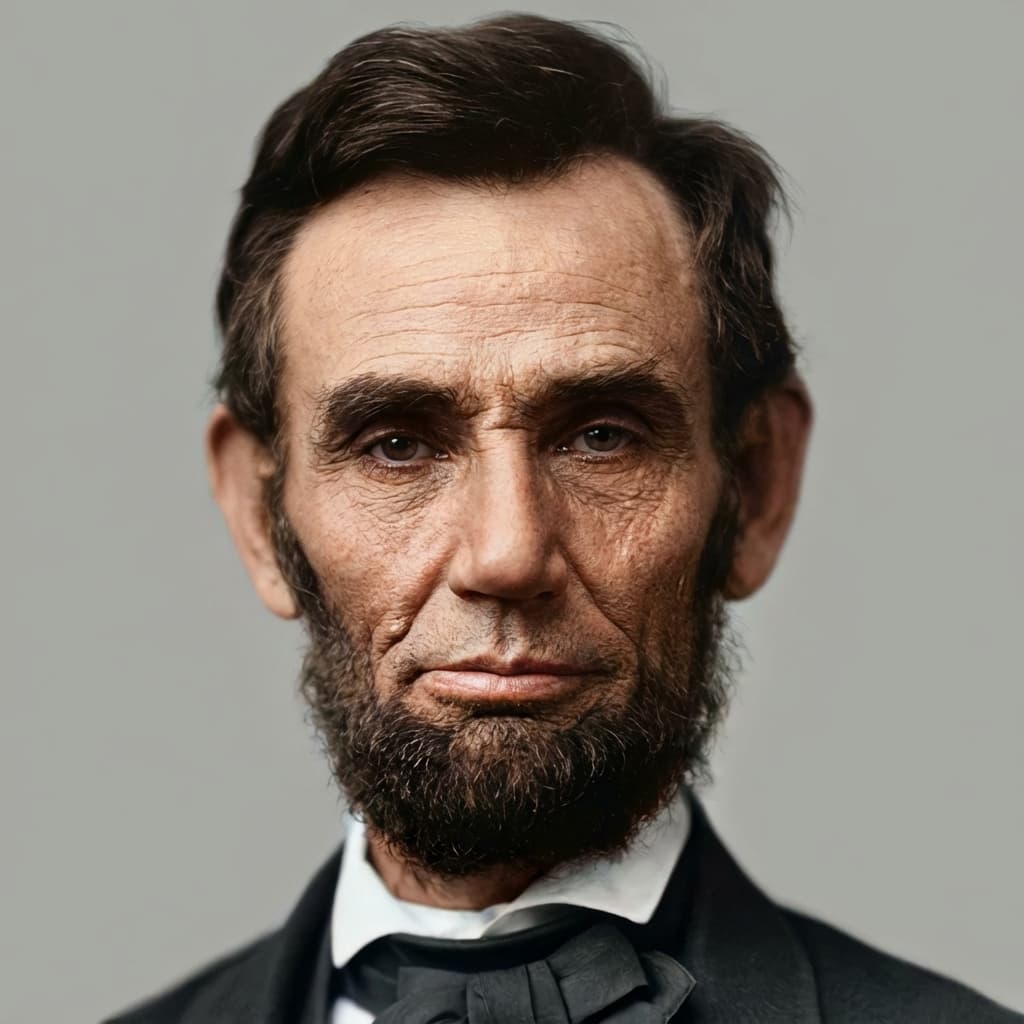
Tall, mournful, and wise. The 16th President preserved the Union, but his path to the White House was paved with struggle.
Abraham Lincoln is enshrined in marble and myth. He is the Great Emancipator, the savior of the Union. But Lincoln the man was far more interesting than the statue. He was a self-made frontier lawyer with a sharp wit and immense physical strength. Here are 10 facts about "Honest Abe."
1. He is the only President with a patent
Lincoln had a lifelong fascination with mechanics. In 1849, he invented a device to help boats float over shallow shoals and sandbars by using inflatable air chambers. He received Patent No. 6469. Although the device was never manufactured, the model he built sits in the Smithsonian Institution today.
2. He was a wrestling champion
Before entering politics, Lincoln was known for his physical strength. Standing 6'4" (1.93m) with long limbs, he was a formidable wrestler in his youth. It's recorded that out of approximately 300 matches, he lost only one. He was even inducted into the National Wrestling Hall of Fame in 1992.
3. He created the Secret Service
In a tragic irony, Lincoln signed the legislation to create the U.S. Secret Service on the very day he was assassinated: April 14, 1865. However, at the time, their mission wasn't to protect the President. It was to suppress counterfeit currency, which was rampant after the Civil War. It wasn't until 1901, after the assassination of McKinley, that they were tasked with presidential protection.
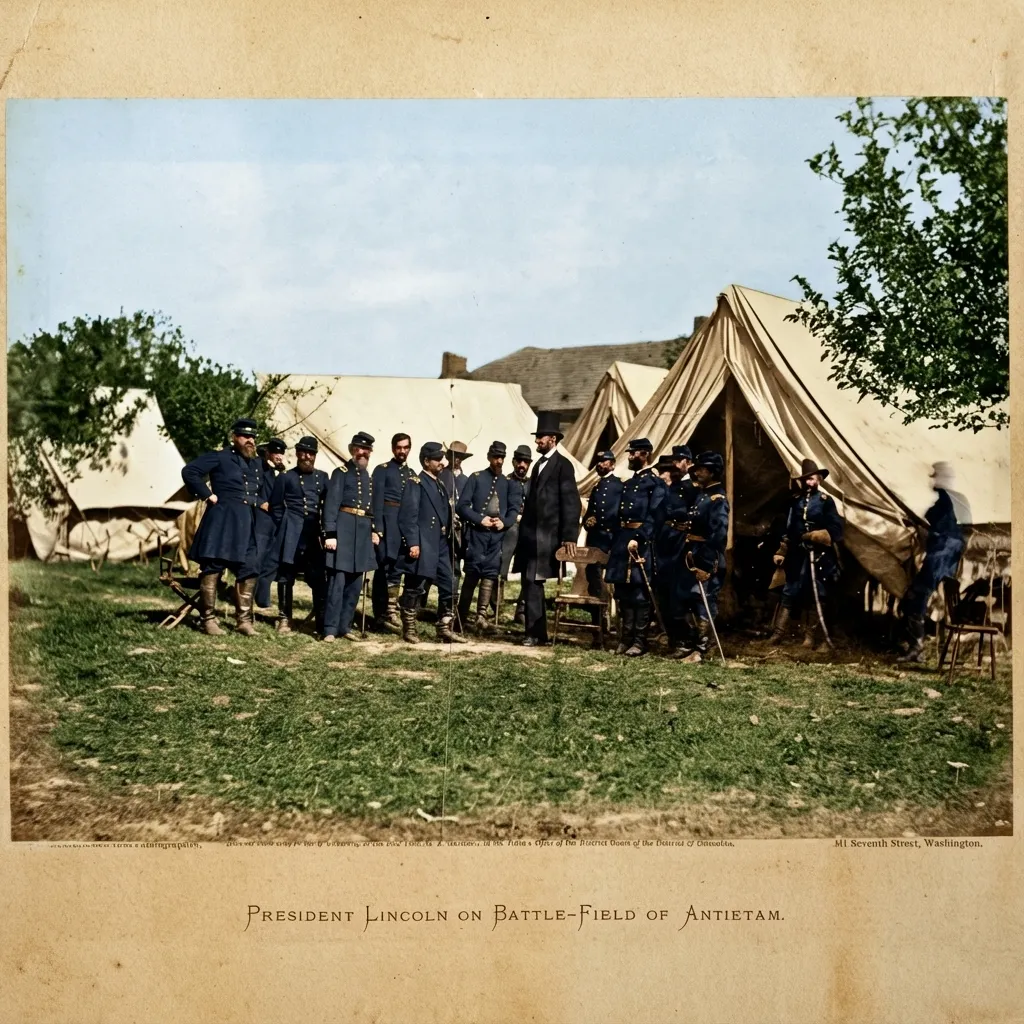
4. His "stovepipe hat" was a file cabinet
Lincoln was rarely seen without his trademark tall silk hat. It added nearly eight inches to his already towering height. But it was functional, too. He famously used the hat to store important papers, letters, and even his banking book, tucking them inside the lining for safekeeping as he walked around Washington.
5. He suffered from severe depression
Lincoln battled what he called "melancholy" throughout his life. He suffered two major breakdowns, one after the death of his first love, Ann Rutledge. During his presidency, the burden of the war and the death of his son Willie weighed heavily on him. His ability to endure this suffering and lead the nation is a testament to his immense resilience.
6. He had very little formal education
Lincoln is the ultimate autodidact. He estimated that all his formal schooling combined amounted to less than one year. He taught himself by reading voraciously by candlelight in his family's log cabin. He read the Bible, Shakespeare, and legal statutes, eventually teaching himself law enough to pass the bar exam.
7. He was nearly killed in a duel
In 1842, Lincoln was challenged to a duel by state auditor James Shields over a satirical letter Lincoln had published. As the challenged party, Lincoln got to choose the weapons. He chose cavalry broadswords, knowing his long reach would give him an advantage. On the day of the duel, he demonstrated his reach by slicing a branch above Shields' head. Shields' second intervened, and the duel was called off.
8. He tested new weapons for the Army
Lincoln took a hands-on approach to the Civil War effort. He tested new rifles and muskets on the lawn of the White House (the "Treasury lawn" at the time). He was an early advocate for repeating rifles and machine guns, often frustrating his generals who were slower to adopt new technology.
9. His son was saved by Edwin Booth
In an incredible coincidence, Lincoln's son, Robert Todd Lincoln, was once saved from a train accident by Edwin Booth—the famous actor and brother of John Wilkes Booth. Robert had slipped onto the tracks at a train station in Jersey City, and Edwin pulled him to safety just as a train arrived. Robert recognized the famous actor, but Edwin didn't know who he had saved until later.
10. The contents of his pockets
When Lincoln died, the contents of his pockets were preserved. They included two pairs of spectacles, a lens cleaner, a pocketknife, a watch fob, a handkerchief, and a wallet containing a Confederate five-dollar bill (likely a souvenir) and several newspaper clippings praising his leadership—perhaps something he read to keep his spirits up.