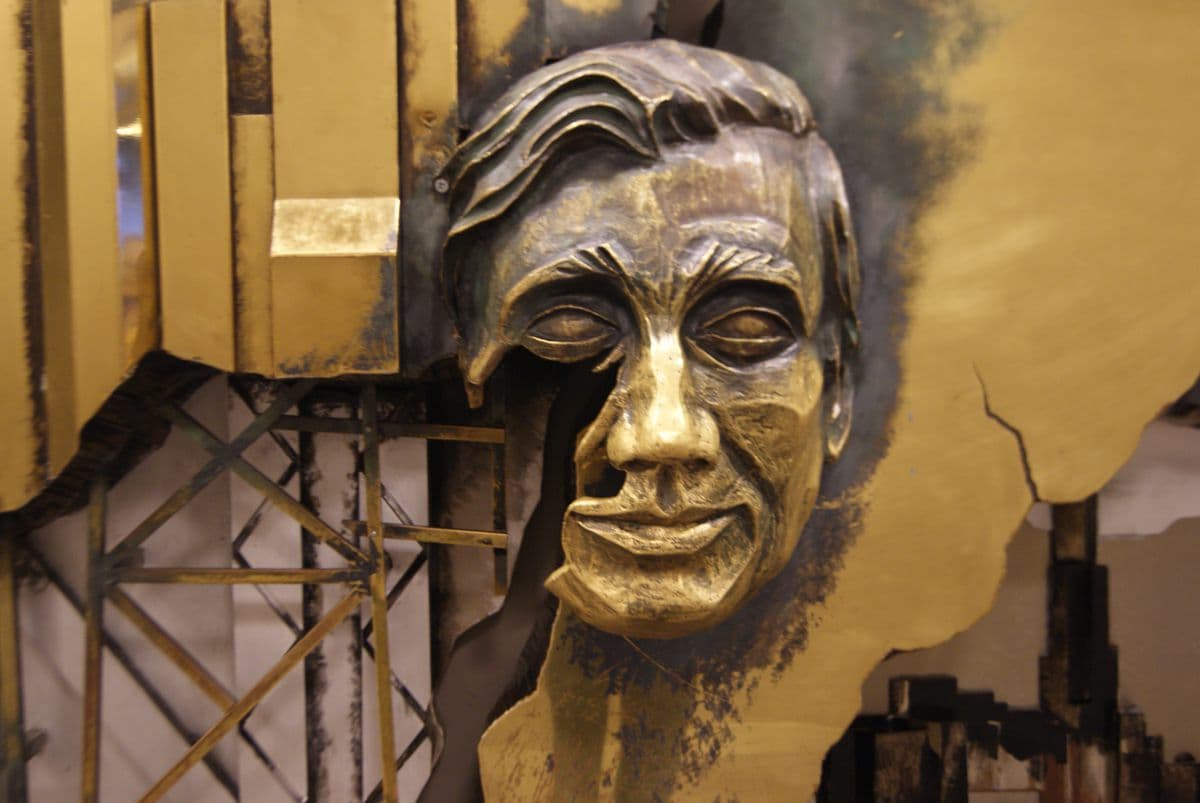
The Einstein of structural engineering. He invented the designs that allow modern skyscrapers to reach the clouds.
Fazlur Rahman Khan changed the skyline of every modern city. A Bangladeshi-American engineer, he realized that traditional building methods couldn't go higher. So, he reinvented the skyscraper from the inside out.
1. He is the "Father of Tubular Designs"
Before Khan, skyscrapers were held up by a grid of internal steel columns. This made them heavy and expensive. Khan had a new idea: make the outside walls of the building the main structure, like a hollow tube. This "tube" system was lighter, stronger, and allowed for open floor plans.
2. He designed the Willis (Sears) Tower
Using his "bundled tube" concept (imagine nine cigarettes bundled together), he designed the Sears Tower in Chicago. Completed in 1973, it remained the tallest building in the world for 25 years. It proved his theories worked at a massive scale.
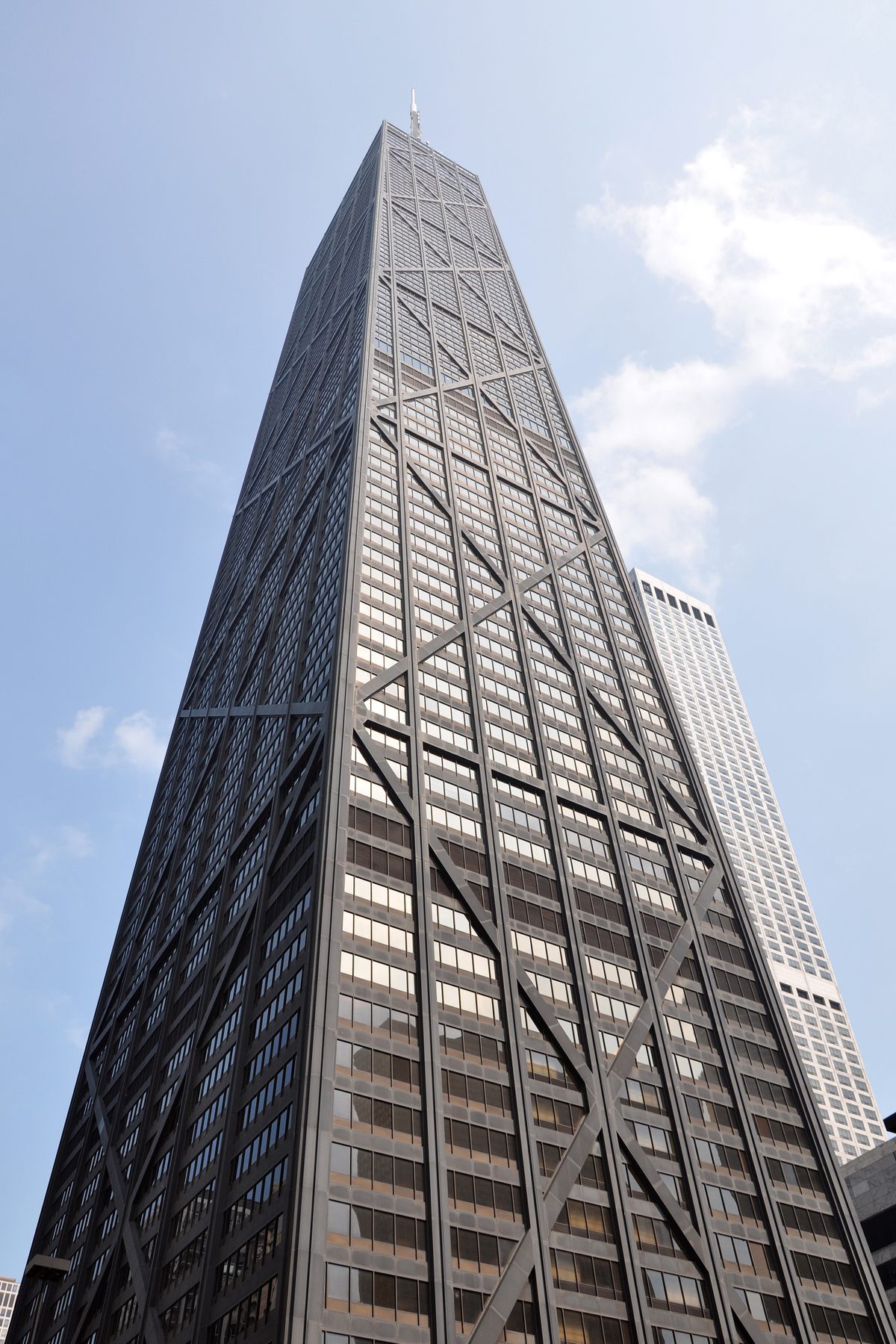
3. The John Hancock Center
For this Chicago icon, Khan used a "trussed tube" design. The giant X-braces you see on the outside aren't just for decoration; they are the structure. They carry the weight and resist the wind, using far less steel than a traditional frame.
4. He was a Fulbright Scholar
Born in Dhaka (present-day Bangladesh), Khan won a Fulbright scholarship to study in the United States in 1952. He earned two master's degrees and a PhD from the University of Illinois in just three years.
5. He pioneered Computer-Aided Design (CAD)
Khan was one of the first engineers to embrace the computer. He used early computing power to calculate the complex stresses on his tube structures, tasks that would have taken decades by hand.
6. The Hajj Terminal
He didn't just build tall. He designed the Hajj Terminal at King Abdulaziz International Airport in Saudi Arabia. Using a tensile fabric roof structure (like a massive tent), it provides shade for 80,000 pilgrims at once and naturally circulates air to keep them cool.
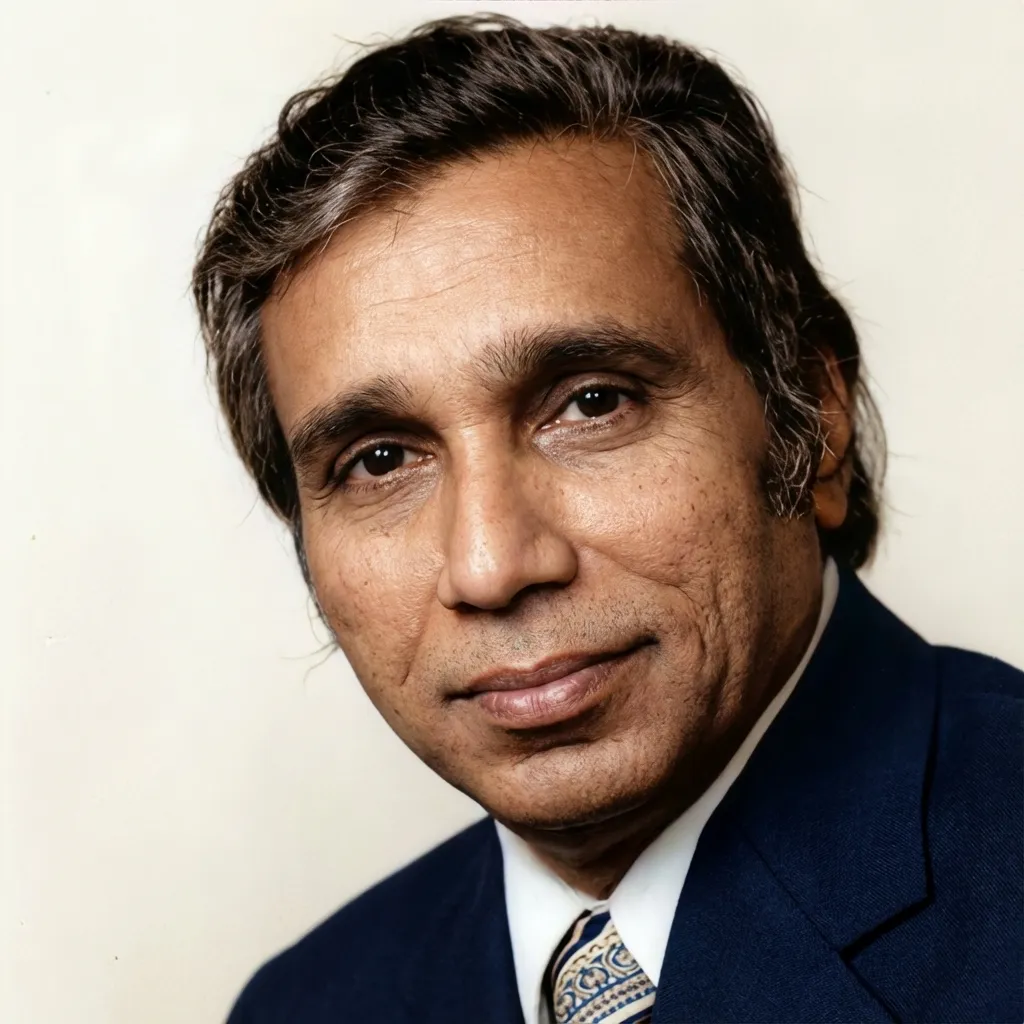
7. He was a humanitarian
During the Bangladesh Liberation War in 1971, Khan organized the "Bangladesh Emergency Welfare Appeal" in the U.S. to raise funds and awareness for the millions of refugees fleeing the conflict.
8. "The Einstein of Structural Engineering"
His innovations were so fundamental that he is often compared to Einstein. Virtually every super-tall building constructed today—from the Burj Khalifa to the Petronas Towers—uses a variation of Khan's tube systems.
9. He believed in "Sherpa" philosophy
Khan didn't want buildings to just be tall; he wanted them to be livable. He said, "The technical man must not be lost in his own technology; he must be able to appreciate life, and life is art, drama, music, and most importantly, people."
10. A Legacy in Bronze
A statue of Khan stands at the entrance of the Willis Tower (Sears Tower), honoring the man whose mind lifted the city of Chicago—and the world—towards the sky.