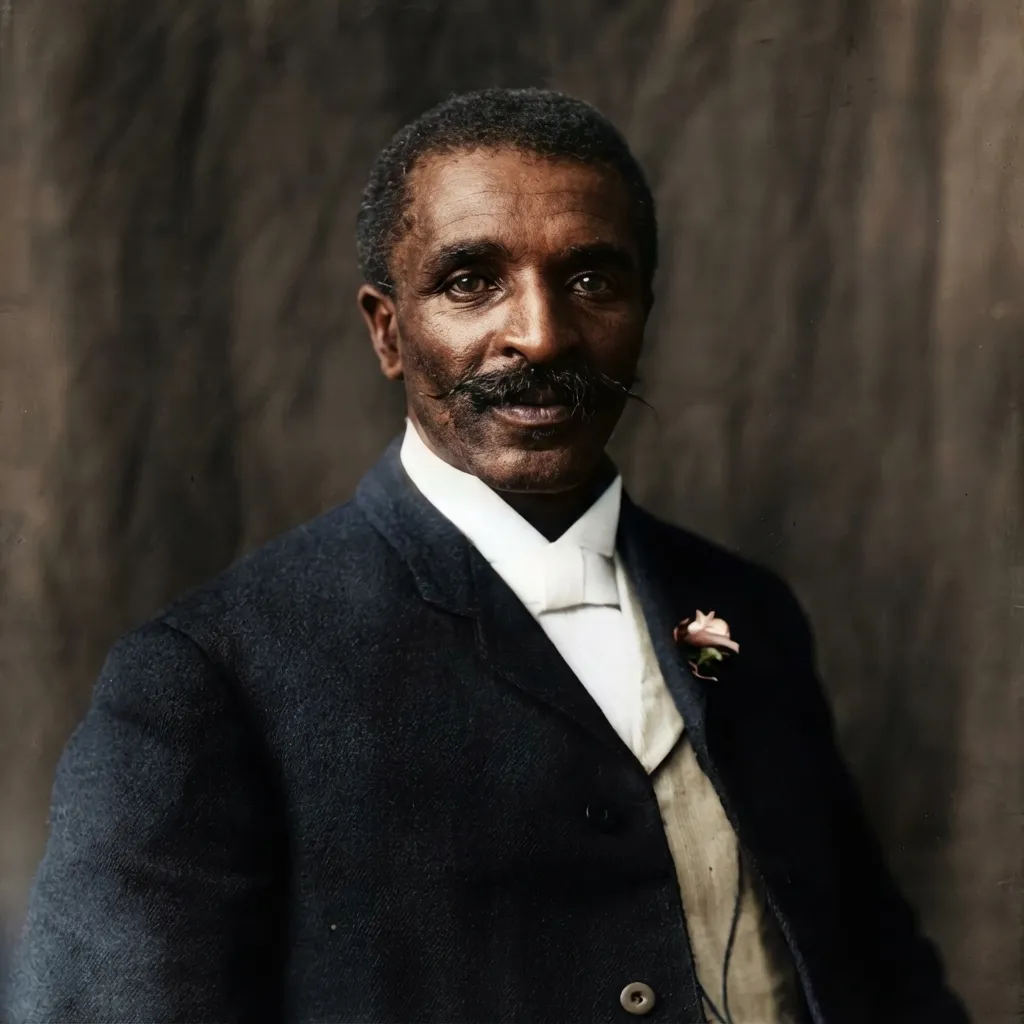
Born into slavery, he revolutionized agriculture and saved the Southern economy with the humble peanut.
George Washington Carver was known as the "The Plant Doctor." Rising from the bonds of slavery, he became one of the most prominent scientists and inventors of his time, teaching farmers how to heal their land and themselves.
1. He was kidnapped as an infant
Born into slavery in Missouri during the Civil War, formerly slave-raiders kidnapped the infant George and his mother. His owner, Moses Carver, hired a neighbor to track them down. George was found and returned in exchange for a racehorse, but his mother was never seen again.
2. He was the first black student at Iowa State
Carver was rejected from Highland College in Kansas because of his race. He eventually enrolled at Iowa State Agricultural College, becoming its first black student and later its first black faculty member.
3. He saved the South with crop rotation
Years of growing cotton had depleted the soil of nutrients. Carver urged farmers to rotate cotton with soil-enriching crops like peanuts, sweet potatoes, and soybeans. This simple advice revived the soil and saved the Southern agricultural economy.
4. He found 300 uses for peanuts
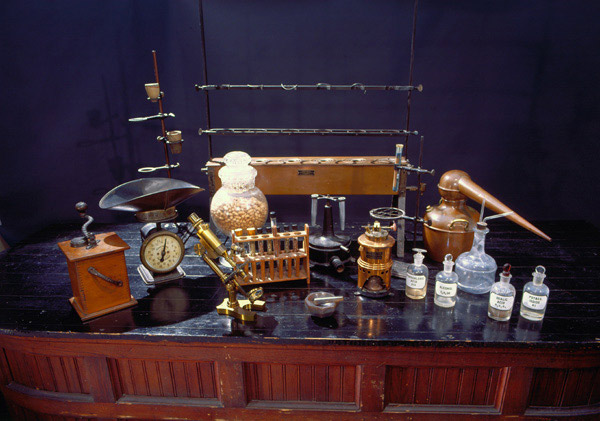
To give farmers a market for their new crops, Carver went to the lab. He developed over 300 products from peanuts, including milk, flour, dyes, plastics, wood stains, soap, and cosmetics. He testified before Congress in 1921 to support a tariff on imported peanuts.
5. He did NOT invent peanut butter
Despite the myth, Carver did not invent peanut butter (the Incas did that centuries earlier, and it was patented by others in the 1890s). However, he popularized it and helped make it a staple of the American diet.
6. He created the "Jesup Wagon"
Carver believed in taking education to the people. He designed a mobile classroom called the Jesup Wagon to travel to poor farm communities. He taught farmers practical skills and soil chemistry on their own doorsteps.
7. He was a talented artist
Before choosing agriculture, Carver studied art. He was an accomplished painter of flowers and plants. His art teacher was actually the one who suggested he study botany because of his talent for painting detailed plant anatomy.
8. He advised Gandhi
Carver’s expertise was world-renowned. He corresponded with Mahatma Gandhi, advising him on vegetarian diets and how to use soy and peanuts to improve nutrition in India.
9. He refused to patent his work
Like Marie Curie, Carver believed his discoveries should be free to humanity. He held only three patents. When asked why he didn't patent his peanut products, he said, "God gave them to me, how can I sell them to someone else?"
10. First National Monument for a black American
Upon his death in 1943, Franklin D. Roosevelt signed legislation to create the George Washington Carver National Monument in Missouri. It was the first national monument dedicated to an African American and the first to honor someone other than a President.