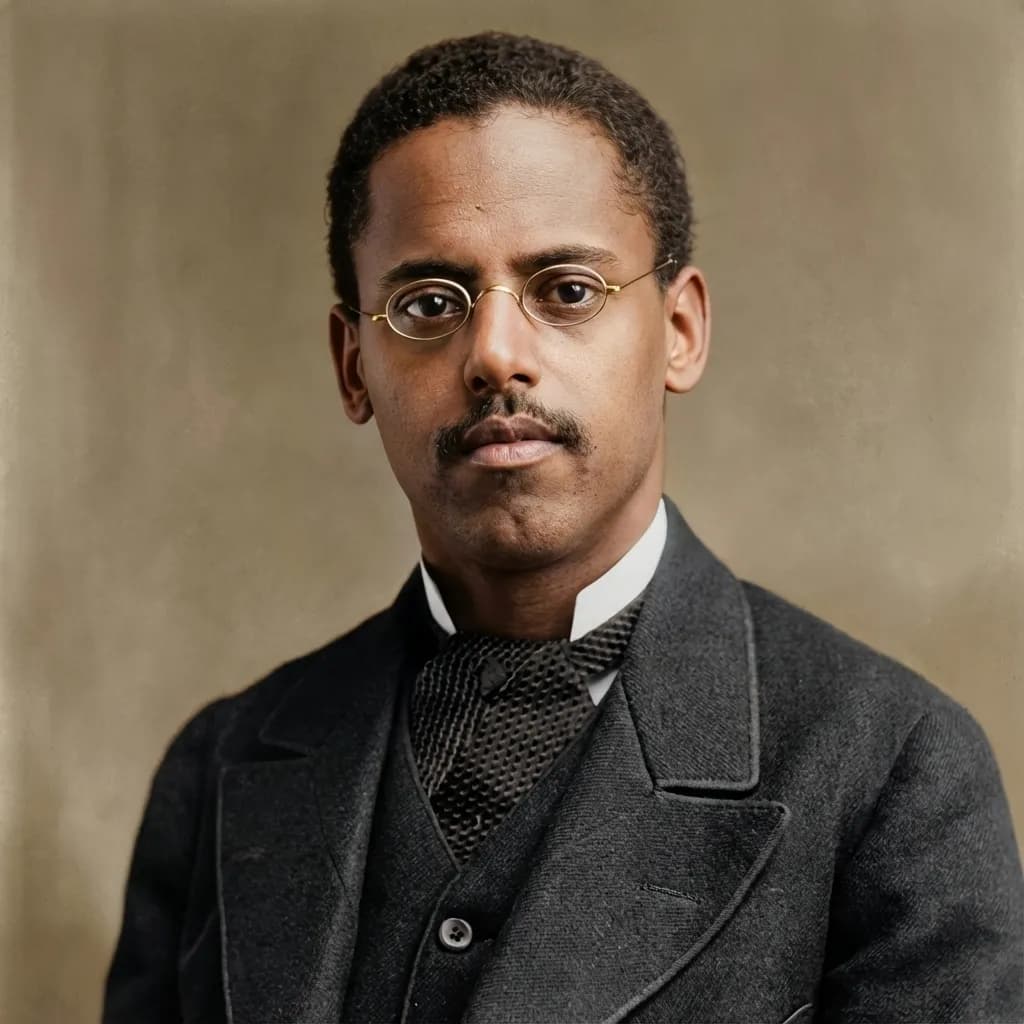
Edison gets the credit, but Latimer made the lightbulb practical. A self-taught genius who lit up our cities.
Lewis Latimer was a Renaissance man: an inventor, draftsman, poet, and musician. The son of escaped slaves, he played a critical behind-the-scenes role in the two biggest inventions of the age: the telephone and the lightbulb.
1. His parents were fugitives
Latimer’s parents, George and Rebecca, escaped slavery in Virginia in 1842. When George was arrested in Boston, it sparked a massive abolitionist outcry. His freedom was eventually purchased by supporters, but the case was a landmark in the fight against the Fugitive Slave Laws.
2. He lied to join the Navy
At age 16, Latimer forged his age to enlist in the U.S. Navy during the Civil War. He served as a Landsman on the USS Massasoit, seeing action on the James River.
3. He drew the patent for the Telephone
After the war, Latimer taught himself mechanical drafting while working as an office boy at a patent firm. He was so skilled that Alexander Graham Bell hired him to draft the blueprints for the telephone patent. Latimer worked around the clock to finish them just hours before the patent filing deadline.
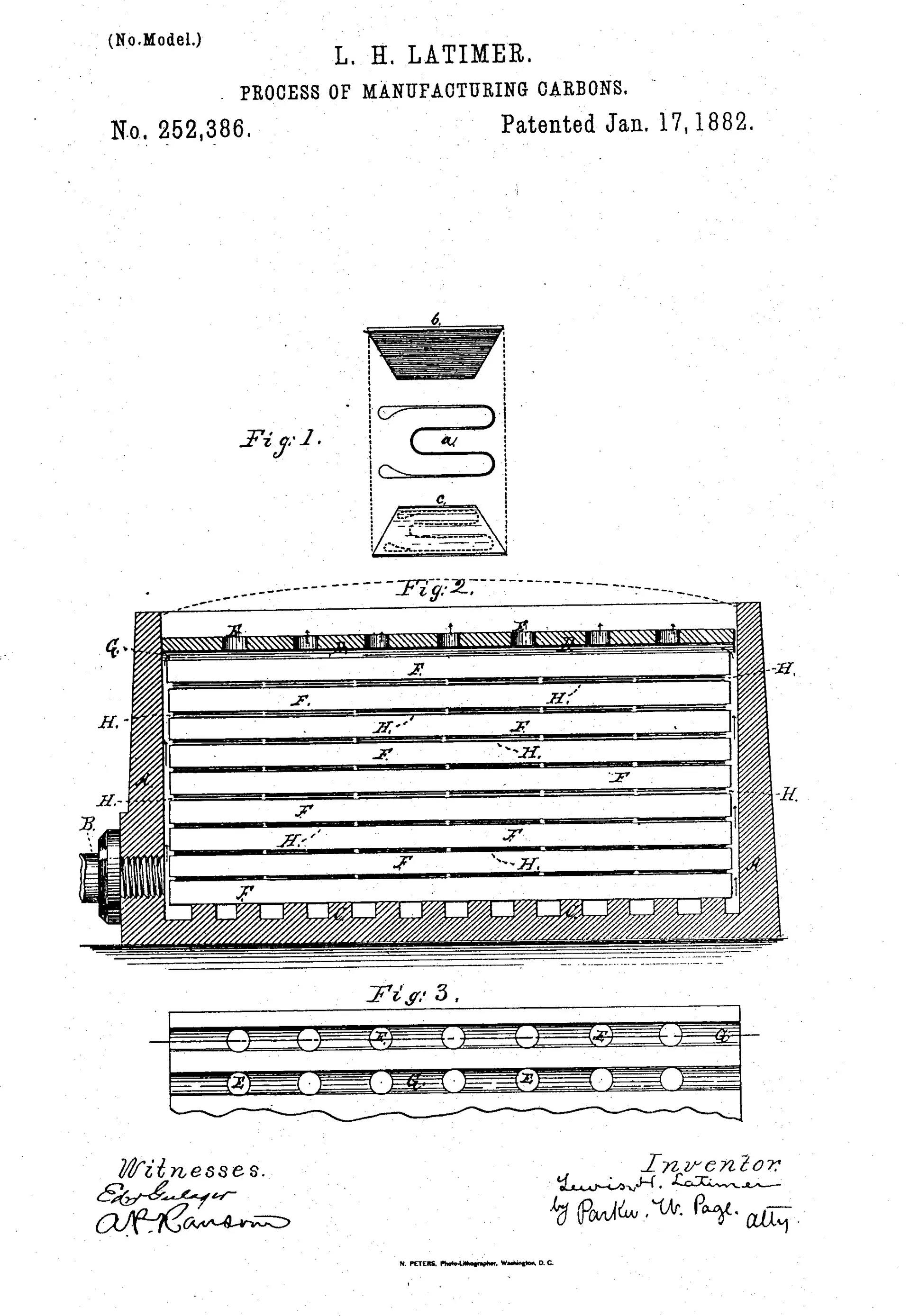
4. He made the lightbulb last longer
Thomas Edison’s original lightbulb used a paper filament that burned out quickly (often in a few hours). In 1881, Latimer invented a method for manufacturing durable carbon filaments. This made lightbulbs last much longer and made them cheaper, allowing electric light to be installed in homes and streets.
5. He installed the first electric lights in NYC
Latimer didn't just design bulbs; he deployed them. He led the team that installed the first electric lighting system in New York City, Philadelphia, and even Montreal, Canada. He learned French just to supervise the Canadian workers.
6. He was the only black member of "Edison's Pioneers"
Latimer eventually went to work for Edison directly. He was the only African American member of the "Edison Pioneers," the elite group of engineers who had worked with Edison in the early days of the electrical industry.
7. He wrote the first book on electric lighting
In 1890, he published Incandescent Electric Lighting: A Practical Description of the Edison System. It was the first textbook on the subject, explaining how the new technology worked to engineers and the public.
8. He invented a forerunner to the air conditioner
In 1886, he invented an "Apparatus for Cooling and Disinfecting," which used water evaporation to cool and clean the air in rooms. It was an early version of the evaporative air conditioner.
9. He was a poet and artist
Latimer was a man of culture. He played the flute, wrote plays, and published poetry. His home in Queens, New York, was a gathering place for artists and intellectuals.
10. He invented the threaded socket
Notice how you screw a lightbulb into a socket? Latimer improved that too. He received a patent for a threaded wooden socket for lightbulbs, setting the standard for the screw-base mechanism we still use (mostly) today.