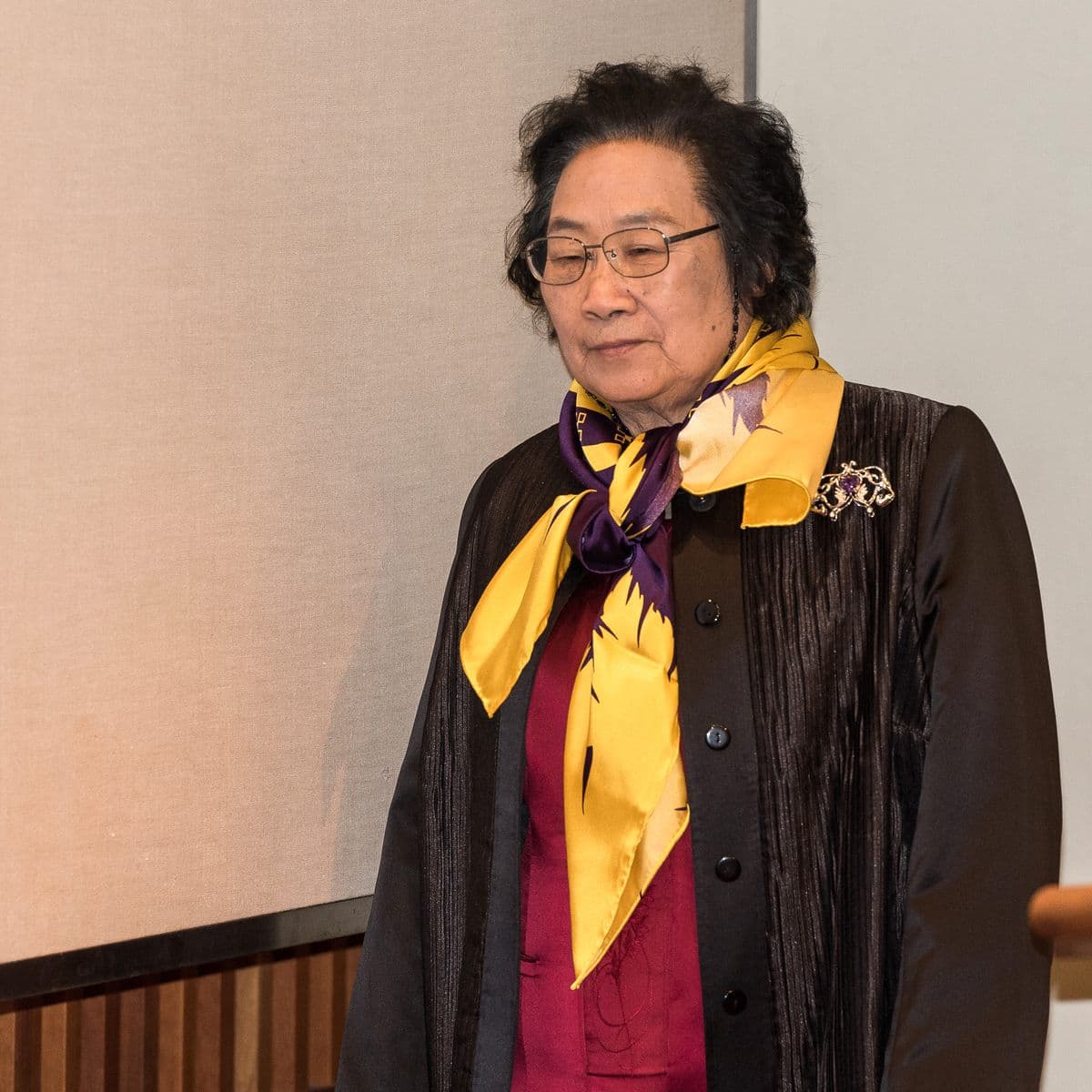
She turned to ancient scrolls to find a cure for malaria, saving millions of lives in the process.
Tu Youyou is a hero of modern medicine. Working in secret during the cultural revolution in China, she discovered Artemisinin, a drug that has saved millions of lives from malaria. She did it by listening to the wisdom of the past.
1. She worked on a secret military project
In 1969, during the Vietnam War, malaria was killing more soldiers than bullets. The Chinese government launched a secret mission, "Project 523," to find a cure. Tu Youyou was appointed head of the research group.
2. She looked to ancient texts
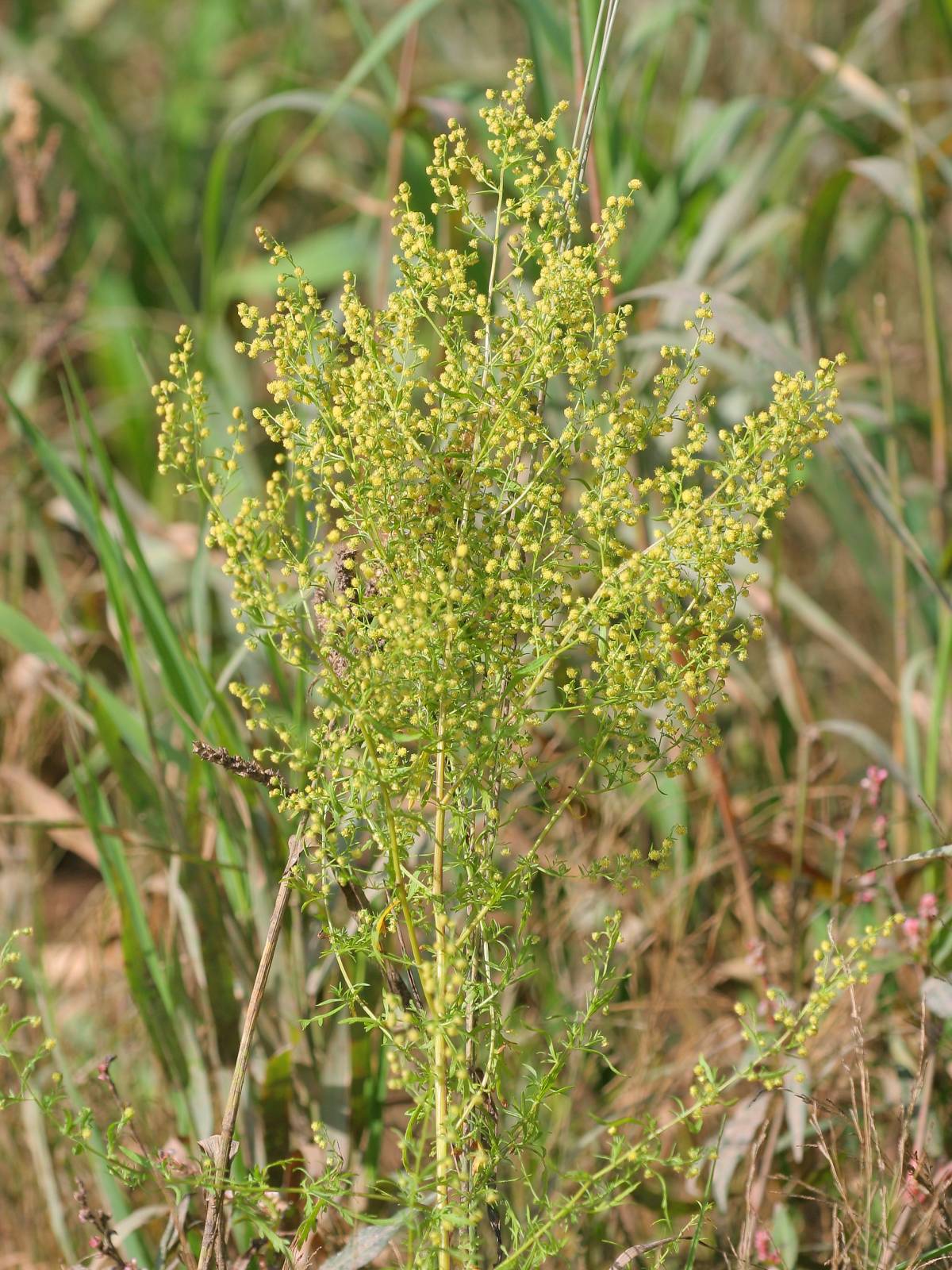
While other scientists tested thousands of random chemicals, Tu studied traditional Chinese medical texts. She read a manual from 340 AD, The Handbook of Prescriptions for Emergencies, which mentioned "Sweet Wormwood" (Artemisia annua) as a treatment for fevers.
3. A boiling mistake
Initial tests of wormwood failed. Tu realized that the traditional method of boiling the herbs damaged the active ingredient. She switched to a cold extraction method using ether, inspired by the ancient text which said to "soak it in water and wring out the juice." The potency skyrocketed.
4. She tested the drug on herself
To ensure the new drug was safe for humans before clinical trials, Tu Youyou volunteered to be the first test subject. She and two colleagues took the extract. It was safe, and they proceeded to save lives.
5. She won the Nobel Prize
In 2015, at the age of 84, Tu Youyou became the first Chinese woman to win a Nobel Prize. She received the Nobel Prize in Physiology or Medicine for her discovery, which the committee called "a turning point in the history of medicine."
6. She is a "Three Noes" Scientist
In China, she is affectionately called a "Three Noes" scientist: no doctorate degree (there were none in China when she studied), no experience studying abroad, and no membership in the Chinese national academies of science. She succeeded purely on merit and hard work.
7. Artemisinin has saved millions
Before her discovery, malaria parasites were becoming resistant to existing drugs. Artemisinin combination therapies are now the standard treatment worldwide. It is estimated to have saved millions of lives, especially children in Africa.
8. She traded her washing machine for research
During the Cultural Revolution, equipment was scarce. Tu Youyou reportedly used household items like pots and pans for her extraction experiments when lab gear wasn't available.
9. The Lasker Award
In 2011, she received the Lasker Award, often considered the American Nobel. It was this award that first brought her work to widespread global attention, decades after her discovery.
10. "The work was the priority"
Tu sacrificed her personal life for the project. She left her toddler daughter with her parents for three years to conduct the research in the field. When she returned, her daughter didn't recognize her. She said, "The work was the priority, I sacrificed my private life."